Proudly serving Phoenix, Glendale, Scottsdale, Tempe, Mesa, Chandler & surrounding areasCall or Text 24/7: 480-259-3923
Aerial view of residential neighborhoods with desert landscaping and Saguaro cacti in Phoenix, AZ at golden hour.

Sewer Line Repair & Drain Cleaning in Chandler, AZ

Phoenix Sewers provides sewer line repair, sewer line replacement, and drain cleaning for homes and commercial properties in Chandler, Arizona. Our team also handles sewer camera inspections, hydro jetting, main sewer line cleaning, trenchless repair, pipe lining, and pipe bursting. We serve properties across Chandler, from Historic Chandler and Downtown Chandler to Ocotillo, Fulton Ranch, and the Price Road tech corridor. Each recommendation is based on the pipe's condition, depth, material, and access.

Chandler's caliche-heavy soil and expansive desert clay put rigid sewer joints under stress as dry ground becomes saturated during monsoon season. Mature ficus, mulberry, and other shade-tree roots can enter small cracks while seeking moisture. Gurgling drains, sewage odors, damp yard areas, or several slow fixtures may be the first warning that a lateral or main line is failing. A camera-first diagnosis shows what is underground before repair options, costs, and surface impacts are compared.

Chandler grew from 236,123 residents in 2010 to 275,987 as of the 2020 census, leaving older clay and cast-iron laterals alongside PVC systems installed in developments built over the last two decades. Phoenix Sewers works throughout Sun Lakes and the San Tan area near Loop 202 as well as Chandler's established neighborhoods and commercial corridors.

★ ★ ★ ★ ★4.9/5 Average Rating - 20+ Years of Experience - Chandler Sewer Specialists - Residential & Commercial
Complete Sewer Solutions

Sewer Services Across Chandler, AZ

Phoenix Sewers provides every stage of sewer work, from diagnostic inspection and cleaning through targeted repair or full replacement. Residential and commercial service is available across Chandler's established neighborhoods, newer developments, and business corridors, with the same camera-guided approach available for properties in nearby Gilbert, AZ .

Sewer Line Repair

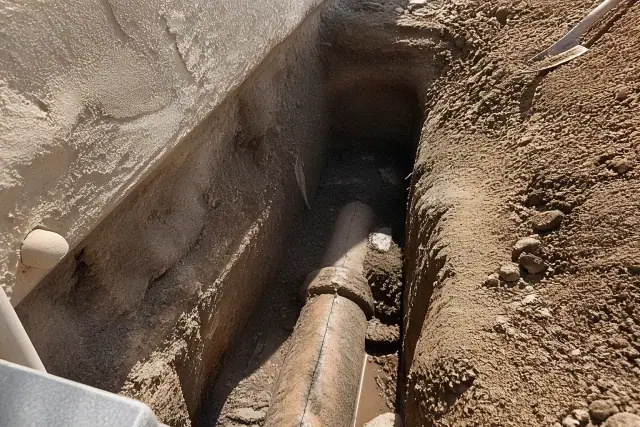
Excavated trench showing a cracked sewer pipe during a residential repair in Chandler, AZ.

Cracks, offset joints, and localized breaks may be repaired with a spot fix, sleeve, or short trenchless liner after a camera isolates the damage. Most residential sewer repairs in the Chandler area run between $150 and $3,800, depending on access and severity.

Explore Service

Sewer Line Replacement

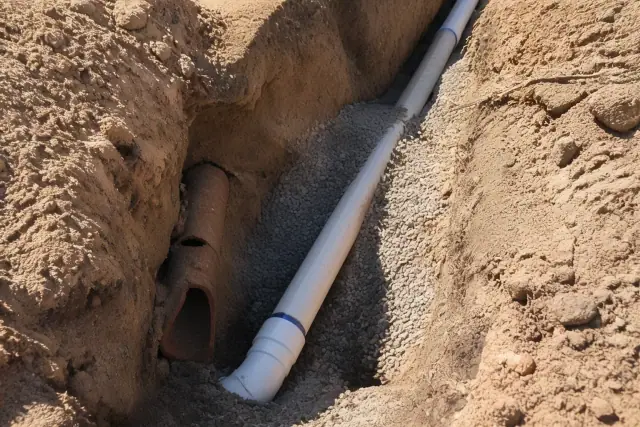
Sewer line replacement in a deep trench with new piping and soil backfill at a jobsite in Chandler, AZ.

Multiple failure points, extensive root damage, or a collapsed line can make replacement the better long-term option. Chandler replacement typically runs $50 to $250 per linear foot, while a full 40-foot lateral averages $2,000 to $10,000; new SDR-35 or Schedule 40 PVC is matched to Maricopa County Environmental Services Department specifications.

Explore Service

Drain Cleaning

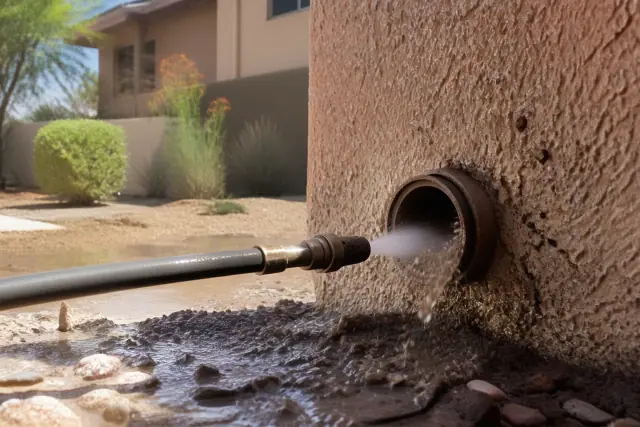
High pressure hydro-jetting hose clearing debris from a residential drainage pipe in Chandler, AZ.

Mechanical cabling clears smaller blockages caused by paper buildup, grease, or mineral scale from Chandler's hard water, while more severe buildup may call for hydro jetting. Routine cleaning on older properties can reduce the chance that a recurring slowdown becomes an 11 p.m. backup.

Explore Service

Sewer Camera Inspection

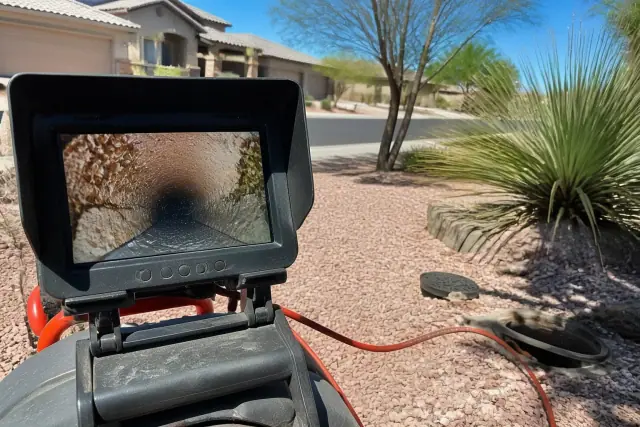
Sewer camera inspection monitor displaying pipe conditions in a xeriscaped front yard in Chandler, AZ.

A waterproof camera fed through a cleanout records cracks, bellies, root intrusion, blockages, and pipe-material transitions under NASSCO PACP inspection protocols. The footage documents conditions often located 4 to 8 feet below the yard and gives customers a visible basis for the repair recommendation.

Hydro Jetting

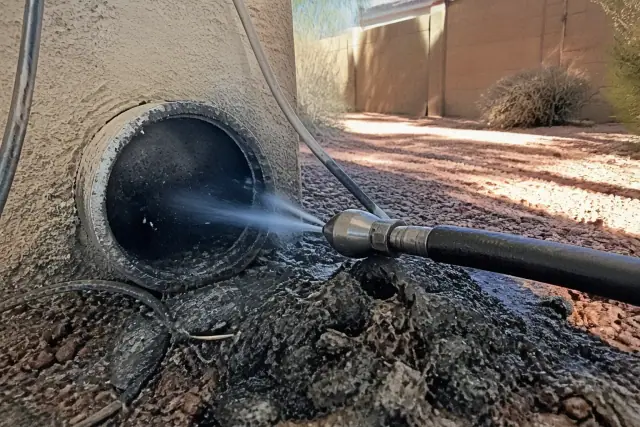
Hydro jetting nozzle clearing debris from a drain pipe in a suburban backyard in Chandler, AZ.

Hydro jetting uses pressurized water, typically 3,000 to 4,000 PSI, to scour grease, scale, and root mass from the pipe wall. Unlike cabling that opens a path through a blockage, jetting can restore more of the pipe's interior diameter and help manage recurring backups.

Main Sewer Line Cleaning

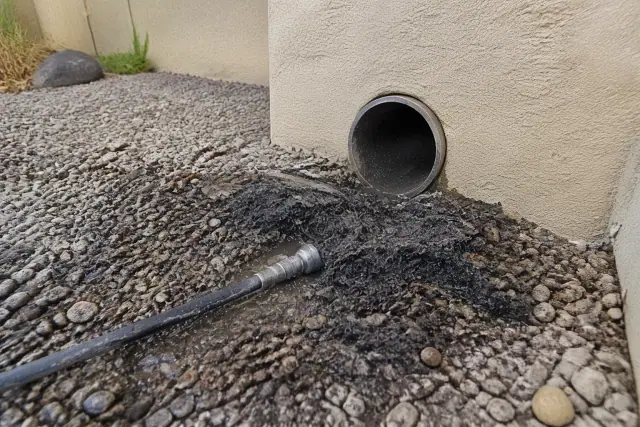
High-pressure sewer hose and cleaned drainage pipe at a residential property in Chandler, AZ.

When slow fixtures across a property point to the main sewer line, camera inspection identifies whether buildup, roots, or structural damage is responsible. Mechanical cleaning or hydro jetting is then selected according to the obstruction and pipe condition.

Trenchless Sewer Repair

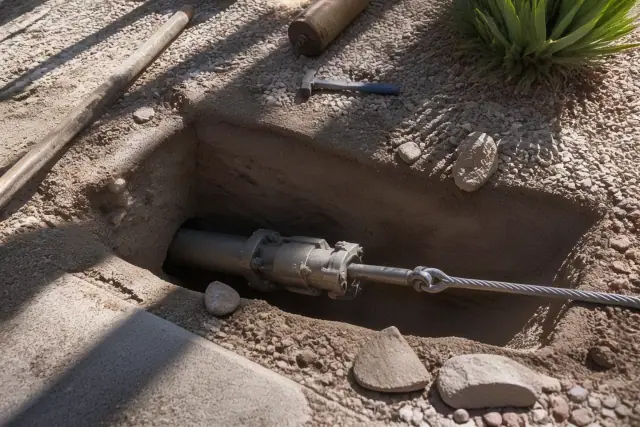
Hydraulic bursting head in a small sewer repair pit at a job site in Chandler, AZ.

Cured-in-place lining and pipe bursting can repair or replace many lines through small access pits instead of a full trench. That reduced excavation is especially useful around Chandler driveways, pool decking, block walls, mature landscaping, and HOA-maintained surfaces.

Sewer Pipe Lining

Cured-in-place resin liner installation inside a sewer pipe at a jobsite in Chandler, AZ.

Cured-in-place pipe lining places a resin-saturated liner inside an existing pipe and cures it to form a new interior pipe. CIPP meets ASTM F1216 standards and typically has a functional lifespan of 30 to 50 years when used for cracks, small offsets, or root intrusion in a line that still has sound structural alignment.

Sewer Pipe Bursting

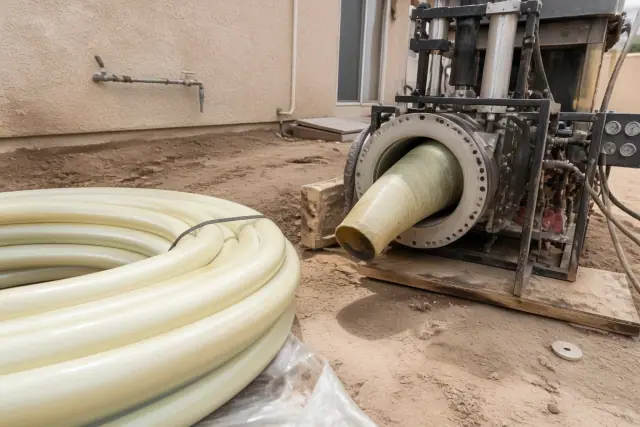
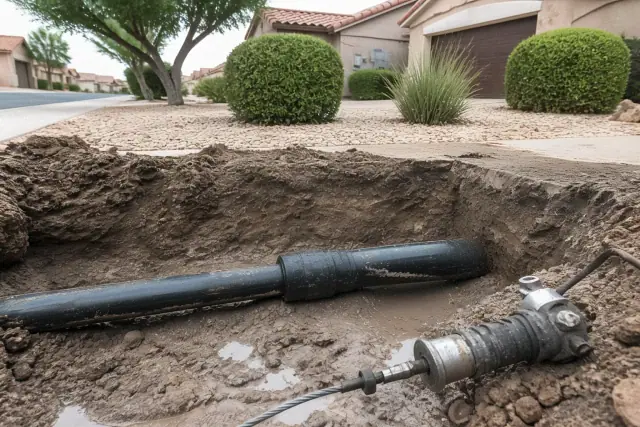
Newly installed black HDPE sewer pipe in a muddy access pit at a home in Chandler, AZ with desert landscaping.

Pipe bursting fractures an old, badly deteriorated pipe outward while pulling new HDPE pipe into place. It is suited to collapsed lines that cannot be lined and can complete a full Chandler sewer replacement in a single day in many cases without the footprint of a traditional trench.

Commercial Sewer Services

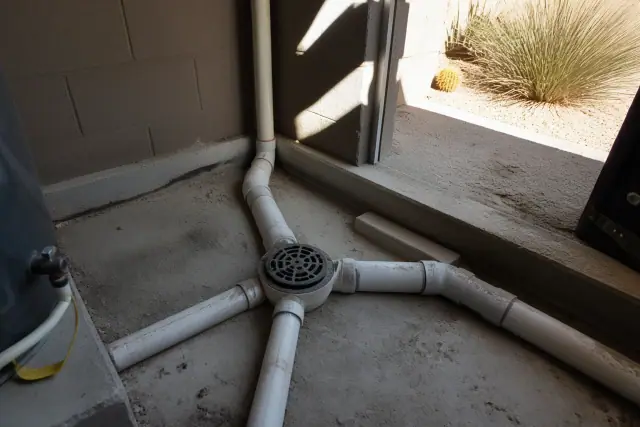
PVC drainage pipe junction in an industrial utility room in Chandler, AZ.

Phoenix Sewers handles commercial main line diagnostics, cleaning, repair, and replacement for Chandler properties. Camera findings guide the work, and a connection beneath the street may require coordination with City of Chandler right-of-way permitting.

Repair Method Selection

Choosing the Right Sewer Repair Method

The right method depends on the pipe's structural condition, depth, access, failure pattern, and the surfaces above it. Trenchless lining or bursting typically takes 1 to 2 days and a 40-foot project may run $3,000 to $15,000, while traditional excavation commonly takes 2 to 5 days including restoration. Phoenix Sewers compares those tradeoffs only after camera footage shows whether the line can support lining, needs bursting, or requires an open trench.

Camera-First Diagnosis

A recorded inspection locates cracks, bellies, roots, and material transitions before a repair is selected. Seeing the actual defect keeps the recommendation tied to underground conditions instead of guesswork.

Pipe Condition Determines the Method

A localized crack may support a spot repair or liner, while a collapsed or badly deteriorated section may require bursting or excavation. Structural alignment matters more than choosing the least disruptive method by default.

Protection for Surface Features

Small access pits can preserve driveways, pool decking, mature landscaping, block walls, and HOA improvements when trenchless work fits the pipe. Surface restoration remains part of the comparison when an open trench is necessary.

Permits and Documented Work

Phoenix Sewers performs repairs to Arizona Registrar of Contractors licensing requirements and City of Chandler Development Services Department permitting standards. Recorded camera footage also gives property owners documentation of the condition found.

Pipe-Material Matching

Clay, cast iron, Orangeburg, PVC, and HDPE do not fail or repair in the same way. The existing material, joint condition, and depth guide whether a sleeve, liner, bursting head, or replacement pipe is appropriate.

Clear Repair Tradeoffs

Customers are shown the differences in cost, timeline, excavation footprint, and landscaping impact before work starts. That comparison makes it easier to choose between lining, bursting, a spot excavation, or full trenching.

Chandler Sewer Issues

Common Sewer Problems for Chandler Properties

Soil movement, aging materials, landscaping roots, and recurring buildup create several recognizable failure patterns in Chandler. Early symptoms can look minor, but a camera inspection can distinguish a serviceable blockage from a cracked, leaking, or collapsed pipe.

Request Inspection

Cracks and Offset Joints

Caliche and expansive clay move as dry ground becomes saturated during July and August, putting stress on rigid pipe joints. Small cracks and offsets can admit roots and soil, allowing damage to accelerate.

Root Intrusion

Mature ficus, mulberry, and other non-native shade trees send roots toward sewer lines during dry spells. Roots usually enter through an existing crack or separated joint, so clearing the mass without addressing the opening may not prevent a return.

Collapsed or Broken Lines

Sewage surfacing in the yard, several slow drains at once, or a sinkhole near the sewer path can point to a full break. Camera equipment confirms the location before trenchless replacement and excavation are compared.

Slow Drains and Recurring Backups

Gurgling fixtures, repeated clogs, and a backup that affects more than one drain can signal a main-line restriction. Cabling may clear a small obstruction, while recurring grease, scale, or roots can require hydro jetting and monitoring.

Leaking Joints and Wet Yard Areas

An unexplained water bill or a soft, damp patch near the cleanout can be an early sign of a leaking sewer joint. Continued leakage erodes the pipe's soil bed and can lead to a sagging or collapsed section.

Grease, Scale, and Paper Buildup

Grease, mineral scale from Chandler's hard water, and paper buildup narrow the usable pipe opening over time. The severity and pipe condition determine whether mechanical cabling or hydro jetting is the better cleaning method.

Why Choose Us

Why Choose Phoenix Sewers in Chandler?

Chandler sewer work calls for familiarity with local soils, older pipe materials, newer PVC developments, and municipal permit requirements. Phoenix Sewers combines that local context with camera-guided diagnosis and training in both trenchless and traditional methods.

Knowledge of Chandler Pipe Conditions

Homes built in the 1970s and 1980s around Downtown Chandler and Carriage Lane may still have original clay or Orangeburg piping. Recognizing those materials and the area's shifting soil helps focus the inspection on likely joints, cracks, and root entry points.

Licensed, Permit-Compliant Sewer Work

Repairs follow Arizona Registrar of Contractors licensing requirements and City of Chandler permitting standards. Required permits are pulled before excavation, and right-of-way coordination is considered when a municipal connection lies under the street.

Trenchless and Traditional Capability

Technicians are trained in cured-in-place lining, pipe bursting, spot excavation, and full trenching. Because both approaches are available, the proposed method can follow the camera findings and property conditions.

Camera-Guided Process

Our Sewer Repair Process in Chandler

Residential repairs and commercial main-line projects follow the same evidence-based sequence. Phoenix Sewers maps the line, explains the findings, compares appropriate methods, and addresses permitting before excavation begins.

01.

Access the Sewer Line

The inspection begins at a cleanout or another available access point. This establishes a safe route for the waterproof camera without opening the yard simply to search for the defect.

02.

Record the Camera Inspection

The camera travels through the line while footage records pipe material, joint condition, roots, bellies, and blockages. Customers can review what was found before agreeing to a repair.

03.

Diagnose the Failure

The team maps the defect and distinguishes a localized crack from a collapsed section or recurring buildup. That diagnosis narrows the suitable options to cleaning, a spot repair, lining, bursting, or excavation.

04.

Compare Repair Methods

Phoenix Sewers explains the cost, timeline, access needs, and surface impact of each suitable method. Lining is considered for structurally aligned pipe, while collapse or multiple breaks may point to bursting or trenching.

05.

Plan Access and Permits

Access pits or trench locations are planned around the property's driveway, pool decking, landscaping, and walls. The required City of Chandler permit is pulled before excavation, with right-of-way coordination when applicable.

06.

Complete and Document the Work

The selected repair, replacement, or cleaning method is completed to the applicable requirements. Recorded inspection findings and permitted work give the property owner a defensible record of the sewer condition and response.

Method Comparisons

Repair Method Fit for Chandler Properties & Businesses

Case Study 1: Pipe Lining: A strong fit for cracks, small offsets, or root intrusion when the existing line still has sound structural alignment. The new interior pipe can avoid disturbing mature landscaping or hardscaping.

Case Study 2: Pipe Bursting: A replacement option for collapsed or badly deteriorated lines that cannot accept a liner. New HDPE pipe is pulled into place through access pits as the old material is fractured outward.

Case Study 3: Traditional Excavation: The practical choice for multiple breaks, a fully collapsed span, or work that requires direct access to the municipal connection. Planning includes the restoration impact on grass, hardscape, trees, or other surfaces.

Get Clear Answers

Schedule a Chandler
Sewer
Inspection

If a slow drain, sewage odor, wet yard area, or active backup points to a sewer problem, start with a camera-guided assessment. Phoenix Sewers will show you the condition found and explain the repair, cleaning, or replacement methods that fit the line.

Chandler Sewer Help

FAQs About Sewer Service in Chandler, AZ

These answers cover common Chandler sewer symptoms, inspection methods, repair choices, pricing ranges, and permitting considerations. Final recommendations depend on recorded pipe condition, access, depth, and the surfaces above the line.

Call Phoenix Sewers

Gurgling drains, sewage odors, a damp patch near the cleanout, several slow fixtures, or sewage surfacing in the yard can indicate a stressed or broken line. A camera inspection distinguishes a blockage from cracks, roots, bellies, or a collapse.

Most residential sewer repairs in the Chandler area run between $150 and $3,800, depending on access and severity. Camera findings help determine whether the issue calls for cleaning, a localized repair, or a larger replacement.

Replacement typically runs $50 to $250 per linear foot. A full 40-foot lateral averages $2,000 to $10,000, with the final range affected by access and whether trenchless work or open excavation is appropriate.

A waterproof camera can locate cracks, bellies, root intrusion, blockages, offset joints, and pipe-material transitions. Phoenix Sewers records the footage under NASSCO PACP inspection protocols so customers can see the condition behind the recommendation.

In many cases, yes. Cured-in-place lining or pipe bursting can work through small access pits, but the line's structural condition and alignment determine whether trenchless repair is suitable.

Lining creates a new pipe inside an existing line that still has sound structural alignment. Pipe bursting fractures a collapsed or badly deteriorated line outward while pulling new HDPE pipe into its place.

CIPP meeting ASTM F1216 standards typically has a functional lifespan of 30 to 50 years. It is intended for conditions such as cracks, small offsets, or root intrusion rather than a fully collapsed line.

Hydro jetting uses pressurized water, typically 3,000 to 4,000 PSI, to scour grease, mineral scale, and root mass from the pipe wall. It can clean more of the interior diameter than cabling that only opens a path through a blockage.

Trenchless lining or bursting typically takes 1 to 2 days. Traditional excavation commonly takes 2 to 5 days including restoration, although actual timing depends on the pipe, access, and surface conditions.

A 40-foot trenchless lining or bursting project may run $3,000 to $15,000. Camera results, depth, access, the chosen method, and the surfaces above the line all affect the final scope.

Phoenix Sewers pulls the required City of Chandler permit before excavation begins. Work at a municipal connection beneath the street may also require coordination with City of Chandler right-of-way permitting.

Caliche and expansive clay shift between dry conditions and monsoon saturation, stressing rigid joints. Mature ficus, mulberry, and other shade-tree roots can enter cracks while seeking moisture, especially during dry spells.

Homes built in the 1970s and 1980s around Downtown Chandler and Carriage Lane may still have original clay or Orangeburg piping. Older areas may also have cast-iron laterals, while newer developments commonly use PVC.

Yes. Phoenix Sewers provides commercial main-line inspection, cleaning, repair, and replacement, with the method selected from camera findings and site conditions.

Phoenix Sewers prioritizes active backups and collapsed lines over routine maintenance calls. The technician stops the immediate backup when possible, runs a camera, and determines whether the next step is a clear, trenchless repair, or scheduled excavation.