Proudly serving Phoenix, Glendale, Scottsdale, Tempe, Mesa, Chandler & surrounding areasCall or Text 24/7: 480-259-3923
Aerial view of residential neighborhoods with desert landscaping and Saguaro cacti in Phoenix, AZ at golden hour.

Main Sewer Line Cleaning in Phoenix, AZ for Clay, Cast Iron & PVC Systems

Phoenix Sewers provides main sewer line cleaning, drain cleaning, sewer camera inspection, and hydro jetting for homes and businesses in Phoenix. The team also handles sewer line repair, replacement, trenchless repair, pipe lining, pipe bursting, and commercial sewer services when cleaning alone cannot solve the problem. Technicians work with cast iron, clay, Orangeburg, and PVC sewer pipe. Every recommendation is based on the line's actual condition.

Across Arcadia bungalows and Ahwatukee subdivisions, Phoenix's caliche-heavy soil, mineral-dense water, and older laterals can combine to create scale, roots, cracks, and recurring blockages. Some neighborhoods built before the 1980s still rely on clay or cast iron lines that were not designed for today's household demand. Phoenix Sewers inspects the pipe before cleaning so customers can see whether the issue is grease, roots, scale, or structural damage. Arizona Registrar of Contractors licensing and required insurance coverage support both residential and commercial work throughout Maricopa County.

Truck-mounted hydro jetting equipment rated up to 4,000 PSI cleans the pipe wall, while high-definition cameras record the inspection in real time. After cleaning, the line is filmed again so you can review the before-and-after condition.

Phoenix Sewers provides main sewer line cleaning across Phoenix and the surrounding metro, including Scottsdale, Tempe, Mesa, Glendale, and Chandler.

★ ★ ★ ★ ★4.9/5 Average Rating · 20+ Years of Experience · Thousands of Customers Helped · Licensed & Insured · Residential & Commercial

Main Sewer Line Cleaning Benefits

What Does Main Sewer Line Cleaning Include?

Professional main sewer line cleaning is a camera-guided service that removes a blockage from the primary pipe carrying wastewater away from the property. The work follows a clear sequence: inspect the line, clean the obstruction, and verify the result.

A waterproof camera identifies the blockage location, severity, and pipe material before any cleaning equipment enters the line. That footage helps distinguish grease, mineral scale, root intrusion, and a simple clog from a crack, offset joint, belly, or collapse.

Hydro jetting or a motorized cable auger is selected according to what the camera shows. If the pipe is cracked, collapsed, bellied, or badly offset, cleaning can restore flow temporarily but cannot correct the structural problem, so repair or replacement options are evaluated instead.

Benefits of Professional Main Line Cleaning

Main line problems often show warning signs weeks before a full backup. Addressing them early can be the difference between a $199 cleaning and a $469 to $700+ repair bill, while a camera check helps avoid paying for guesswork.

  • Restores flow when several fixtures are backing up at once
  • Scours the full interior diameter instead of opening only a narrow channel
  • Breaks up grease, mineral scale, and intrusive root material
  • Provides recorded before-and-after footage of the line
  • Reveals cracks, bellies, offset joints, and other structural issues
  • Pinpoints the problem before unnecessary excavation is considered
  • Reduces wastewater-backup risk in slab-on-grade homes
  • Creates a clear basis for maintenance, repair, or replacement decisions
Phoenix Sewer Services

Main Line Cleaning & Related Services

Phoenix Sewers handles routine cleaning, difficult blockages, recorded inspections, root intrusion, and damaged sewer lines for residential and commercial properties. Service recommendations reflect the access point, pipe material, blockage type, and structural condition shown on camera.

Main Sewer Line Cleaning

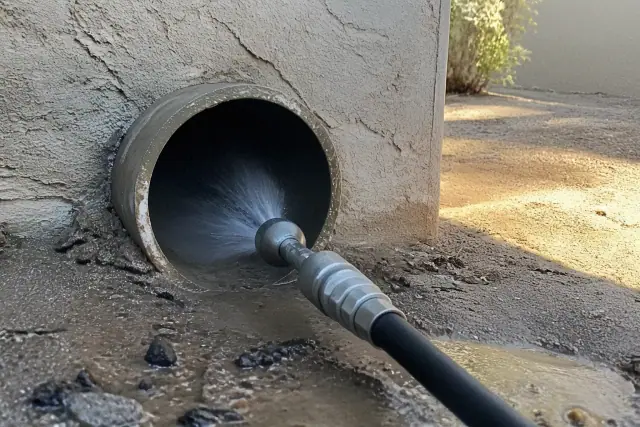
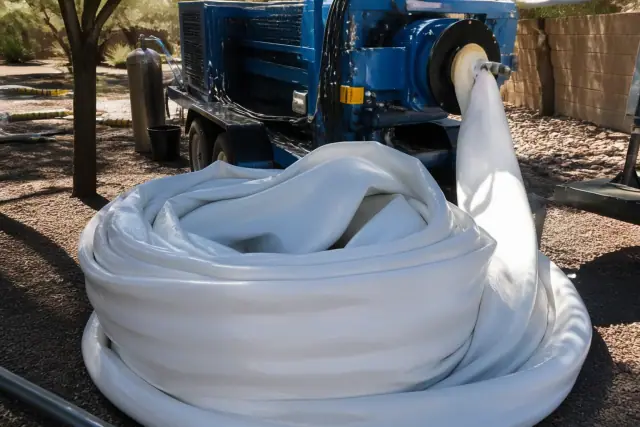
Hydro-jetting equipment cleaning a main sewer line at a jobsite in Phoenix, AZ.

Main line cleaning clears grease, scale, roots, and other buildup that restricts wastewater flow across the property. The line is inspected first, cleaned with the method suited to its condition, and filmed again after flow is restored.

Request Estimate

Sewer Camera Inspection

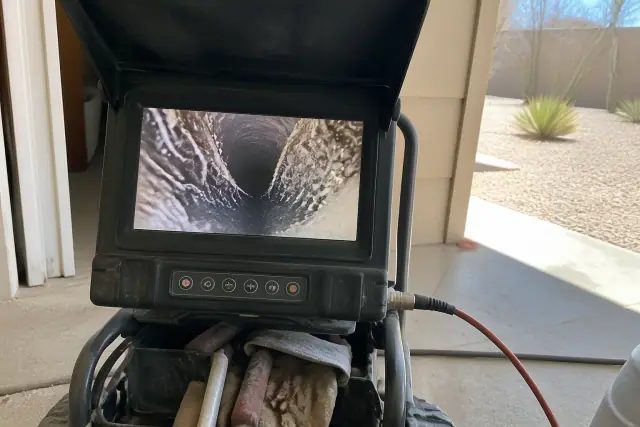
Sewer camera inspection monitor showing pipe tree root obstructions on a jobsite in Phoenix, AZ.

A high-definition waterproof camera records footage in real time as it travels through the sewer lateral. The inspection locates the obstruction, identifies cast iron, clay, Orangeburg, or PVC pipe, and shows whether cleaning or structural repair is appropriate.

Request Estimate

Hydro Jetting

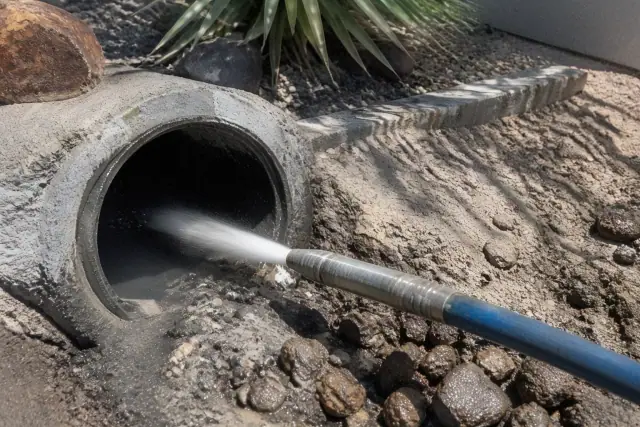
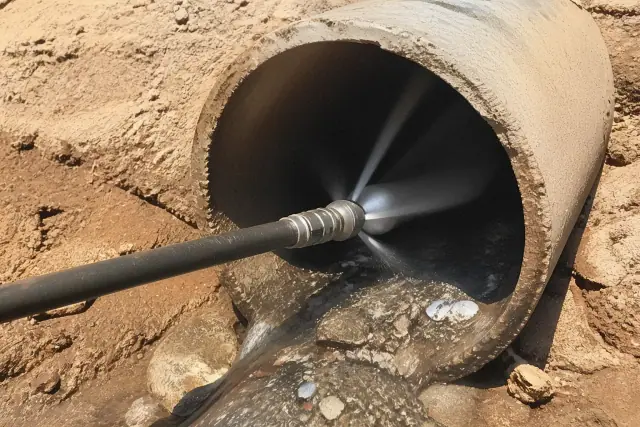
Hydro jetting machine cleaning a main sewer line in Phoenix, AZ.

Hydro jetting sends high-pressure water through a specialized nozzle to scour the pipe wall. It removes grease, mineral scale, and root intrusion more completely than a cable that merely bores a path through the blockage.

Request Estimate

Tree Root Removal

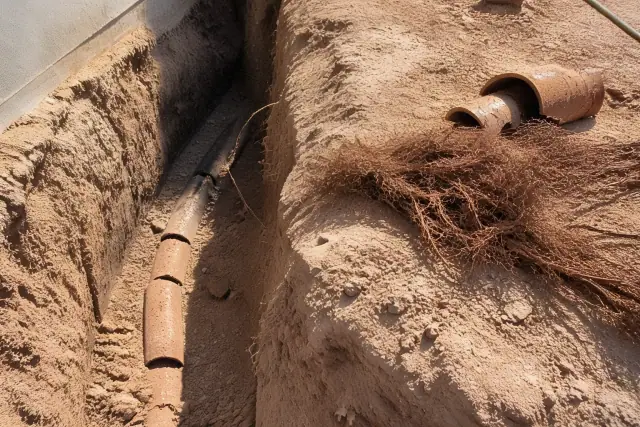
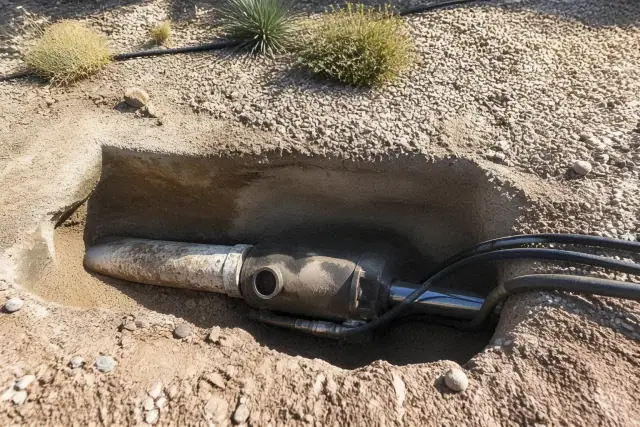
Tree root removal from a cracked sewer pipe in a desert soil trench in Phoenix, AZ.

Mesquite, palm, and ficus roots can enter hairline cracks and open joints in older clay or cast iron lines, especially during irrigation season. A root-cutting jetting head shreds the intrusion and flushes debris away, followed by a camera check for structural damage.

Request Estimate

Residential Drain Cleaning

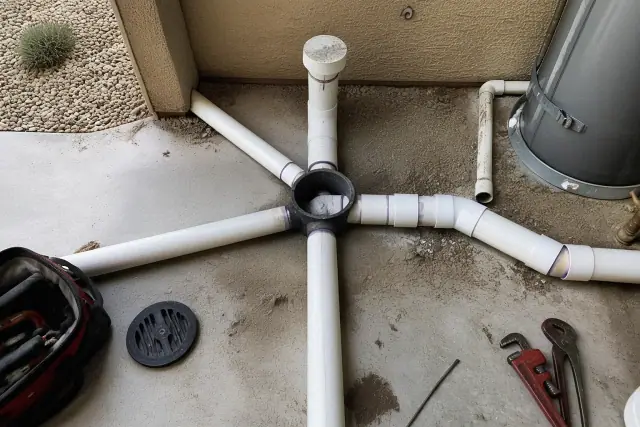
PVC drainage pipes and a central floor drain in a utility room during a residential sewer cleaning in Phoenix, AZ.

Bathroom, kitchen, and floor drains collect different types of buildup and may need fixture-level cleaning as well as main line service. In older homes, scale and grease can accumulate gradually inside aging pipe even before visible symptoms appear.

Request Estimate

Commercial Sewer Services

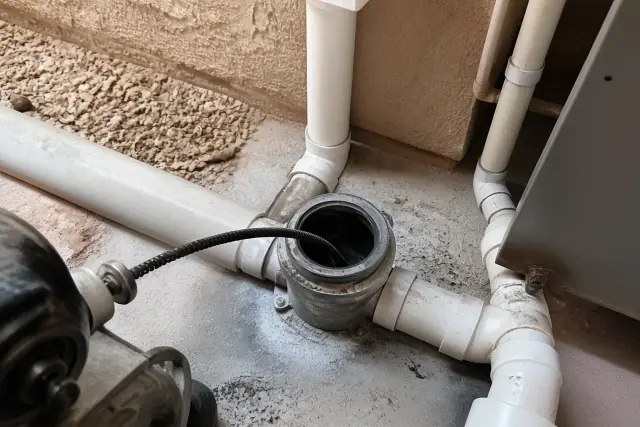
PVC drainage pipes and floor drain in a Phoenix, AZ utility room during a main sewer line cleaning service.

Apartment complexes, multi-unit properties near ASU, industrial facilities, and restaurants can involve larger lines, higher flow, and coordinated access. Restaurant schedules also account for grease interceptor requirements enforced by Maricopa County Environmental Services and the need to avoid backups during peak service.

Request Estimate
Cleaning, Access & Trenchless Options

Main Line Service Options

Camera footage determines whether a line needs full-diameter cleaning, a simpler cable pass, improved access, or structural trenchless work. These options address different conditions, so the right choice depends on blockage type, pipe strength, diameter, footage, and access.

High-pressure hydro jetting nozzle clearing debris from a sewer pipe at a jobsite in Phoenix, AZ.

Hydro Jetting

Hydro jetting uses pressurized water and a specialized nozzle to wash buildup from the full pipe wall. It is suited to many grease-, scale-, and root-related blockages when the camera confirms the pipe can handle the method.

  • Full-diameter pipe-wall scouring
  • Grease buildup removal
  • Mineral scale removal
  • Root-cutting nozzle capability
  • Camera-guided method selection
Request Estimate
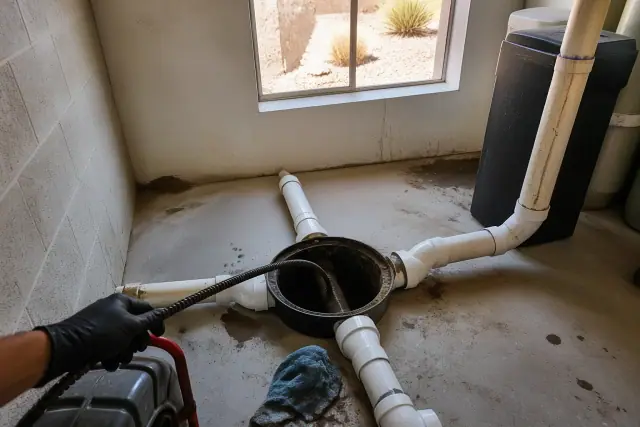
Motorized cable augering in a Phoenix, AZ basement utility room with a steel cable inserted into PVC drainage pipes.

Motorized Cable Augering

A motorized cable auger, often called a rooter, can be the right tool for a simpler or lighter blockage. It opens a path through the obstruction, while the camera helps determine whether the line also needs broader wall cleaning or structural attention.

  • Useful for simpler blockages
  • Motorized cable reaches into the line
  • Opens a channel through the clog
  • Selected according to pipe condition
  • Followed by video verification
Request Estimate
Resin coated pipe liner coiled next to a hydraulic inversion machine at a job site in Phoenix, AZ.

Sewer Pipe Lining

Pipe lining places a resin-saturated liner inside the existing sewer and cures it in place to form a jointless pipe within the old one. It can suit cracked clay or cast iron that remains structurally sound enough to support the liner.

  • Resin-saturated liner installation
  • Cured-in-place jointless interior
  • Seals joints exploited by roots
  • Preserves structurally sound host pipe
  • Cost varies by diameter and footage
Request Estimate
Hydraulic bursting head positioned in a trenchless pipe replacement pit in Phoenix, AZ.

Sewer Pipe Bursting

Pipe bursting pulls a new sewer pipe through the old run while a bursting head fractures the original pipe into the surrounding soil. It is a trenchless full-replacement option for a line that is too collapsed or undersized for lining.

  • New pipe follows the existing route
  • Bursting head fractures the old pipe
  • Addresses severe collapse
  • Can replace undersized pipe
  • Avoids full open trenching
Request Estimate
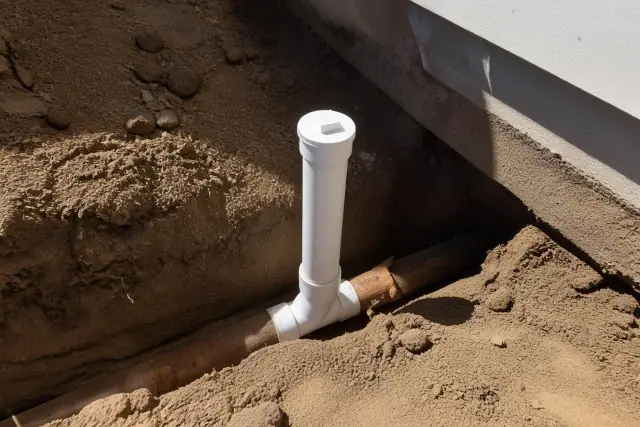
New PVC sewer cleanout riser installed in the ground at a jobsite in Phoenix, AZ.

Sewer Cleanout Installation

A proper sewer cleanout gives technicians direct access for cameras, jetting, and cable equipment. Installation adds cost upfront, but it can simplify future inspections and reduce the access work required on later cleaning visits.

  • Direct access to the main line
  • Simpler camera entry
  • Better access for cleaning equipment
  • Less reliance on roof-vent access
  • Lower access effort on future service calls
Request Estimate
Match the Method to the Line

Choosing the Right Main Line Approach

A soft grease blockage in sound PVC does not call for the same response as roots inside cracked clay, a belly holding standing water, or a collapsed Orangeburg line. Phoenix Sewers uses the recorded inspection to compare cleaning, lining, bursting, conventional repair, and replacement without treating every clog as the same job.

Camera-First Recommendations

The line is filmed before equipment is selected, allowing the recommendation to reflect the actual obstruction, pipe material, and structural condition. That keeps a simple clog from being treated like a replacement job and keeps a cracked line from being treated as routine maintenance.

Arizona-Licensed, Insured Work

Phoenix Sewers holds Arizona Registrar of Contractors licensing and the insurance coverage required for residential and commercial sewer work. The same inspection, cleaning, and verification standard applies across homes, apartment properties, restaurants, and larger commercial lines.

Before-and-After Video Verification

After the blockage is cleared, the camera travels through the line again to confirm it is open and to reveal any remaining cracks, offsets, or bellies. Customers can review recorded before-and-after footage rather than relying only on a verbal description.

What Sets Phoenix Sewers Apart

Why Choose Phoenix Sewers for Main Line Cleaning?

Experience includes historic Encanto-Palmcroft homes, older laterals across central Phoenix, and multi-unit apartment properties near ASU. Quotes are based on camera footage and the line's actual condition, so cleaning, repair, or replacement is explained before the work proceeds.

Request Sewer Inspection

Multiple Drain Backups

When the kitchen sink, bathroom drains, and floor drain back up around the same time, the obstruction is likely beyond one fixture. Multiple drains are trying to discharge through the same blocked main line.

Slow Drains and Gurgling

A toilet that gurgles when the washing machine drains or water that pools before slowly receding can point to a partial main line blockage. Grease, roots, and mineral scale can progressively narrow the pipe wall.

Sewage Odors

A sulfur or rotten-egg odor near a cleanout, yard, or foundation may come from sewer gas escaping through a crack, dry trap, or blocked vent. Phoenix's dry heat can make the smell intensify quickly.

Wet Yard or Foundation Areas

Unexplained soggy areas near the sewer lateral can indicate a cracked pipe leaking into surrounding soil. Older clay and Orangeburg laterals still found in neighborhoods such as Coronado and Willo deserve camera inspection when wet patches appear.

Tree Root Intrusion

Roots seek moisture through hairline cracks and open joints, then expand until flow is restricted or the pipe is damaged further. Mesquite, palm, and ficus trees near older laterals can create this problem during irrigation season.

Recurring Clogs or Structural Damage

A clog that returns in the same spot every few months can signal an offset joint, a bellied section holding water, or a visible fracture. Cleaning can remove the immediate obstruction, but repair is needed when the camera confirms a structural failure.

How It Works

Our Main Sewer Line Cleaning Process

The process is organized around three goals: inspect the line, clear the blockage with the right method, and verify the result. Six practical steps turn that sequence into a recorded diagnosis and a condition-based recommendation.

01.

Access the Main Sewer Line

Technicians locate the existing cleanout and choose the safest entry point for inspection and cleaning. If a ground-level cleanout is unavailable, access may require a roof vent, while cleanout installation can simplify future visits.

02.

Inspect With a Sewer Camera

A waterproof camera locates the blockage, measures its severity, and identifies the pipe material before cleaning starts. This initial inspection typically takes 20 to 45 minutes depending on line length and available access points.

03.

Identify the Blockage and Pipe Condition

Recorded footage shows whether the restriction is grease, roots, mineral scale, or another clog. It also reveals cracks, collapsed areas, offset joints, bellies, and material conditions that can change the recommended method.

04.

Choose the Cleaning Method

Hydro jetting is used when full pipe-wall scouring is appropriate, while a motorized cable auger may be enough for a lighter blockage. A fragile or already cracked pipe is evaluated carefully before high-pressure cleaning is selected.

05.

Clear and Flush the Main Line

The selected equipment breaks up the obstruction and moves debris out of the line. With hydro jetting, specialized nozzles wash grease, scale, and cut root material from the interior instead of leaving buildup on the pipe wall.

06.

Verify the Result on Video

The camera is run through the line again to confirm that flow is open and to check for structural issues exposed by cleaning. Before-and-after footage supports the final maintenance, lining, repair, or replacement recommendation.

Get a Camera-Based Recommendation

Schedule Main Sewer Line Service

Whether you are hearing early gurgling or seeing wastewater return through the lowest drain, Phoenix Sewers can inspect the line and explain cleaning or repair options from recorded footage. For a full backup, stop using water and call; 24/7 emergency sewer repair and same-day sewer service response are available.

Main Line Cleaning Help

Main Sewer Line Cleaning FAQs

These answers cover cleaning frequency, Phoenix pricing, camera inspections, cleaning methods, warning signs, and what happens when a pipe needs repair. Recommendations still depend on the access, material, blockage, and structural condition shown on camera.

Call Phoenix Sewers

Most Phoenix homes do not need annual main line cleaning when the system is working normally. Homes over 15 years old, properties with mature trees near the lateral, or houses with recurring clogs may benefit from cleaning every 18 to 24 months. Clay or cast iron lines can also benefit from a camera inspection every few years so cracking or root intrusion is found before a full blockage.

Standard main sewer line cleaning through an existing cleanout typically runs $157 to $290 in the Phoenix market. Clogged main sewer line repair averages $469 and ranges from $232 to $708, while excavation or replacement may run $60 to $250 per linear foot. Camera inspections can add $200 to $1,300 depending on line length and access, so Phoenix Sewers provides a firm price after camera review.

Hydro jetting is generally the most effective method for grease, scale, and root material because it scours the full interior diameter of the pipe. A motorized cable auger may be the better choice for a simpler blockage. The camera inspection guides that choice because high-pressure jetting is not automatically appropriate for a fragile or cracked line.

Without an accessible cleanout, homeowner options are limited. Hot water with dish soap or a baking soda and vinegar mixture may help minor organic buildup near a fixture, and a hand-crank snake may reach a shallow local clog, but those methods do not reliably reach a deep main line blockage. A proper cleanout gives both camera and cleaning equipment direct access to the sewer.

The technician first cameras the line through the cleanout to identify and locate the obstruction. Hydro jetting is commonly used to strip grease, scale, and roots from the pipe wall, while a motorized cable can handle a lighter blockage. The camera then returns to confirm flow and document any structural damage.

A straightforward cleaning with an accessible cleanout usually takes 45 minutes to two hours, including the initial inspection and post-cleaning verification. Severe clogs, longer runs, or roof-vent access can extend the visit. Commercial lines with grease-heavy buildup may take a half day depending on length and severity.

A standard sewer camera inspection generally takes 20 to 60 minutes depending on line length, bends, and branches. Many repair-diagnostic inspections fall in the 30-to-60-minute range, while longer residential lines and commercial systems with several connection points can take closer to an hour. The footage is recorded throughout.

Multiple drains backing up together, slow drainage, toilet gurgling, sewage odors, or wastewater returning through the lowest drain can point to a main line obstruction. Wet areas near the lateral may instead indicate a cracked pipe. A camera inspection separates an ordinary clog from a structural problem.

Cleaning cannot correct a cracked, collapsed, bellied, or badly offset pipe. Clogs that return in the same spot every few months, standing water in a bellied section, or fractures visible on camera indicate that repair or replacement should be evaluated. Trenchless lining or pipe bursting may be options depending on structural condition.

A hydro jet fitted with a root-cutting head can shred intrusive roots and flush the debris out of the line. The follow-up camera inspection checks whether the roots entered through joints or cracks that have weakened the pipe. When the same roots keep returning, lining may seal the entry points if the host pipe remains structurally suitable.

Stop using toilets, sinks, and appliances immediately so no more water enters the blocked system. Shut off the main water supply if the backup is severe and photograph the damage before cleanup for an insurance claim. Phoenix Sewers provides 24/7 emergency sewer repair and same-day sewer service response for full main line backups.

Residential service often covers a main lateral along with bathroom, kitchen, and floor drains. Apartments and other multi-unit properties require coordinated access, while industrial sites may have larger lines and higher flow. Restaurant lines also accumulate grease quickly and operate under Maricopa County Environmental Services grease interceptor requirements.

Phoenix Sewers works on cast iron, clay, Orangeburg, and PVC sewer pipe. Material matters because older clay and cast iron joints can admit roots, Orangeburg can suffer structural decline, and the camera must confirm whether a pipe is sound enough for the proposed cleaning or trenchless method.