What the Camera Reveals
An LED-lit camera transmits real-time video while the operator watches pipe material, joint condition, slope, and obstructions. Recorded footage and distance markers turn recurring backups, slow drains, or odors into a written and visual damage assessment; in older clay or Orangeburg lines, even twenty minutes of footage can reveal more than symptoms alone.
What Changes the Repair Path
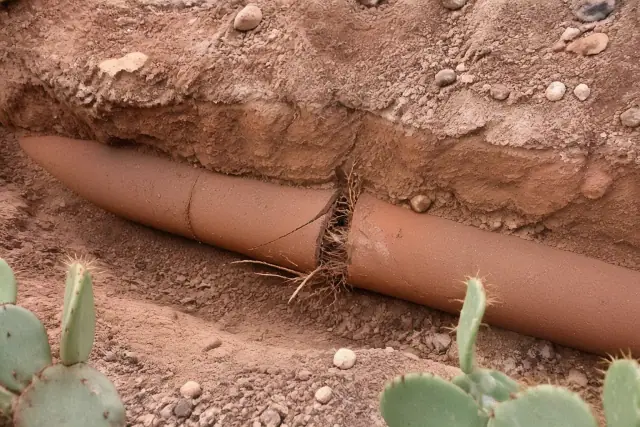
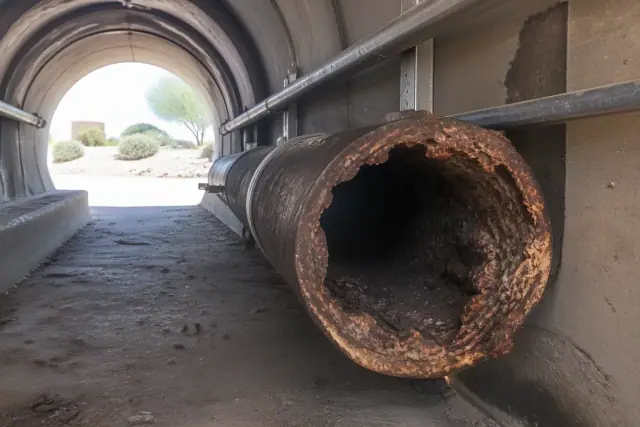
Grease, sediment, hair, and foreign objects may call for hydro jetting because high-pressure water scours the pipe wall instead of only opening a path through the clog. Cracks, extensive roots, offsets, bellies, and collapses shift the decision toward spot repair, pipe lining, pipe bursting, or replacement based on severity and depth. Phoenix's expansive clay and caliche layers, mature tree roots, and monsoon moisture can keep applying pressure after a symptom is cleared.
Common Follow-Up Questions
To prepare, locate the main cleanout, clear access around it, and share the property's age and prior sewer work; if there is no cleanout, access may require pulling a toilet or using a roof vent. A home with mature trees near the lateral or pipe over 25 years old may warrant inspection every 2 to 3 years, while newer PVC with little root exposure can often go longer. Buyers should inspect before closing, especially when a property is more than 40 years old, and grease-heavy commercial lines generally need more frequent checks. Roots do not always mean full replacement: a sound pipe with one small entry point may be cleared and repaired locally, while damage across several sections may require pipe bursting or replacement.