Flow-Blocking Defect
A line fails when a blockage, leak, structural break, or installation error prevents reliable wastewater flow.
Phoenix Sewers performs residential and commercial sewer camera inspections across the Valley every week. A sewer inspection fails when camera footage or line testing finds a blockage, structural defect, leak, or installation problem that prevents safe wastewater flow. The specific finding determines whether the next action is cleaning, localized repair, trenchless work, or replacement.
A line fails when a blockage, leak, structural break, or installation error prevents reliable wastewater flow.
Aging clay or cast iron and movement in expansive caliche soil make cracks, bellies, and offset joints more likely.
Use recorded footage, distance readings, pipe material, depth, and surface access to match the repair scope to the actual defect.
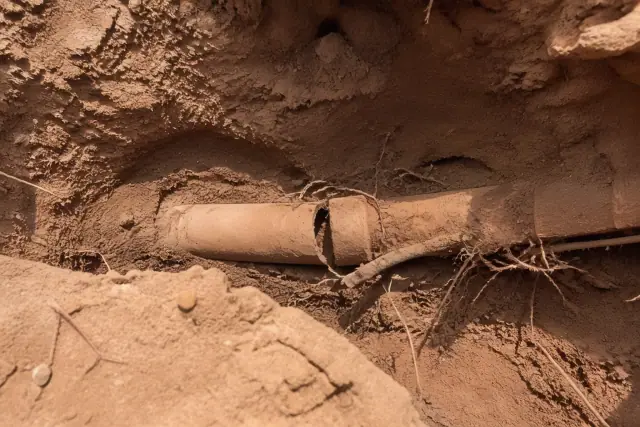
Roots entering a hairline crack or loose joint and narrowing the pipe interior.
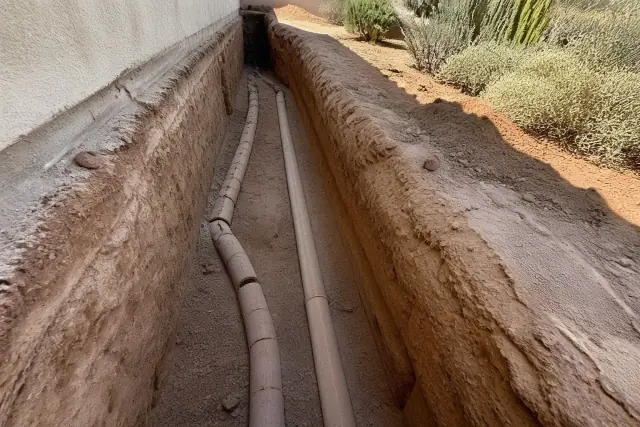
Compare a low section that holds waste with a consistently graded line that maintains flow.
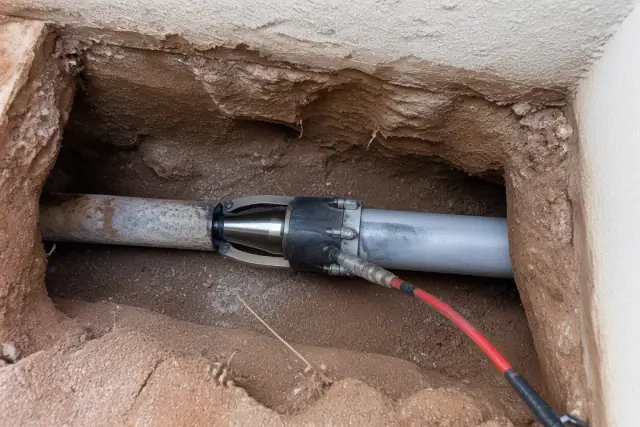
How a documented defect can be addressed while limiting excavation around a driveway, patio, or mature landscaping.
Cracked joints, roots, bellies, corrosion, collapsed sections, and grease or sediment can all trigger a failed report.
Clay and untreated cast iron laterals approaching a 50 to 100 year service life are more vulnerable to cracks, corrosion, and shifted joints.
A residential lateral inspection usually takes about 30 to 60 minutes after access is found; Phoenix pricing is roughly $250 to $700.
A localized crack or one root entry point may suit spot or trenchless repair; multiple bellies, collapse, or widespread corrosion can favor replacement.
| Service | Typical Phoenix Price Range |
|---|---|
| Sewer camera inspection | $250 - $700 |
| Drain cleaning | $150 - $450 |
| Hydro jetting | $350 - $900 |
| Trenchless sewer repair | $3,000 - $8,000 |
| Sewer pipe lining | $4,000 - $12,000 |
| Sewer pipe bursting | $5,000 - $15,000 |
| Full sewer line replacement | $4,500 - $18,000+ |
National context: Camera inspections average around $996, with a common range of $271 to $1,726. A $200 to $300 scope can identify $8,000 to $12,000 in failing clay pipe before it becomes an emergency.
A sewer evaluation combines camera footage with flow testing, and older systems may also need smoke or dye testing. Inspectors look for structural defects, blockages, leaks, and installation errors against plumbing standards adopted by the City of Phoenix. Findings may be severity-coded using guidance consistent with the Pipeline Assessment Certification Program, while time-stamped video and distance readings locate each defect. A failed report means the line does not meet the minimum standard for safe wastewater flow; it does not by itself mean the entire line must be replaced.
Phoenix's expansive caliche and clay-heavy soils move with summer monsoon moisture and long dry stretches, contributing to bellies and offset joints in older laterals. A line installed flatter than the quarter-inch-per-foot standard can also develop chronic slow drainage and waste collection. Commercial kitchen lines receive added scrutiny for grease interceptor maintenance through the City of Phoenix Water Services Department. Sewer repair or replacement typically requires a permit through Phoenix Development Services in coordination with the locally adopted Uniform Plumbing Code or International Plumbing Code.
A camera shows pipe material, cracks, offset joints, roots, bellies, corrosion, and buildup, and a standard residential scope takes about 30 to 60 minutes once access is found. Localized damage may suit spot or trenchless repair, while multiple bellies, collapse, or widespread corrosion can make replacement more practical; patching a line near the end of its service life may lead to another failure within a few years. Homes built before PVC became standard in the 1970s and 80s warrant closer attention, and a separate sewer scope is worth considering before buying a home older than 30 years because standard home inspections usually exclude the lateral. Roots can enter hairline cracks and loose joints, while an unaddressed failure can progress from slow drains and odors to sewage backups, wet yard areas, and collapse.
Share the property type, symptoms, and any available camera findings. A local sewer professional can help distinguish a blockage that may clear from structural damage that requires repair or replacement.